



30/04/2026
Pyruvate kinase deficiency is a rare inherited disorder that can lead to chronic hemolytic anemia, jaundice, enlarged liver and spleen and many serious complications from the fetal and neonatal stages through adulthood. Understanding the causes, warning signs and the role of genetic testing can help families proactively pursue carrier screening and genetic counseling before marriage, before pregnancy or during assisted reproductive treatment.
Pyruvate kinase deficiency (PKD) is a rare genetic disorder characterized by the premature destruction of red blood cells, resulting in chronic hemolytic anemia. PKD is an autosomal recessive inherited disease caused by mutations in the PKLR gene, leading to deficiency of the pyruvate kinase enzyme, which plays a crucial role in red blood cell glycolysis.
Clinical manifestations vary widely, ranging from severe anemia presenting during pregnancy with hydrops fetalis to very mild cases with little or no clinical symptoms.
Mutations in the PKLR gene are considered the underlying cause of PKD. This gene encodes pyruvate kinase, an enzyme essential for glycolysis in red blood cells, providing energy for cellular function and maintaining structural stability. Mutations in the PKLR gene reduce or impair pyruvate kinase enzyme activity, causing red blood cells to become fragile and leading to hemolytic anemia.
PKD is inherited in an autosomal recessive pattern, affecting males and females equally. Normally, each person carries two copies of the PKLR gene, one inherited from the father and one from the mother. The disease manifests only when an individual inherits two mutated copies of the gene. Individuals carrying only one mutated copy are considered asymptomatic carriers and do not develop the disease.
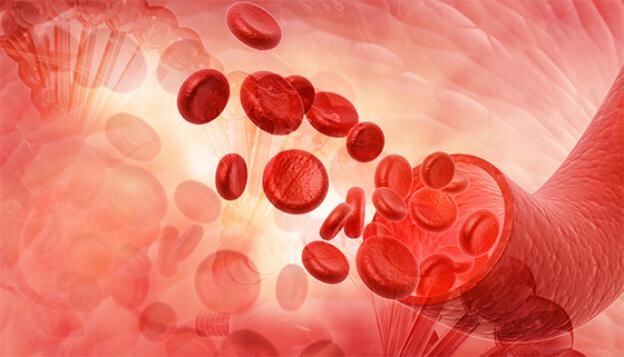
Severe forms of pyruvate kinase deficiency may lead to death shortly after birth.
Thus, if both parents are carriers, they will not show symptoms of the disease. However, with each pregnancy, their child has:
The clinical presentation of pyruvate kinase deficiency can vary significantly. In severe cases, symptoms may appear during fetal development or immediately after birth and may be life-threatening. In milder cases, symptoms may be subtle or even absent.
In severe cases, the disease may present during pregnancy with fetal anemia leading to hydrops fetalis, including:
Some newborns may develop severe symptoms immediately after birth, including:
The most common symptom is anemia causing fatigue, dizziness, pale skin and weakness. Other manifestations include:
Episodes of acute hemolysis may occur under stress or triggering factors such as infections or pregnancy, causing symptoms to worsen. For example, parvovirus B19 infection may trigger aplastic crisis and severe anemia requiring blood transfusion.
Diagnosis is based on characteristic clinical manifestations, detailed family history, careful clinical examination and laboratory evaluation of hemolytic anemia, including:
Reduced pyruvate kinase enzyme activity is one of the key diagnostic criteria for PKD. However, this test is usually available only in specialized laboratories and is not routinely performed in all healthcare facilities.
Molecular genetic testing to identify PKLR mutations is an important diagnostic standard for PKD. It helps confirm the diagnosis and distinguish PKD from other hemolytic anemias.
Currently, there is no definitive cure for pyruvate kinase deficiency. Treatment mainly focuses on symptom management and improving quality of life, including:
Individuals with a family history of pyruvate kinase deficiency should receive genetic counseling and undergo carrier testing to assess reproductive risks and prevent having affected children.
In addition, pre-marital, preconception and prenatal single-gene disorder screening for couples is an effective approach for early detection of carrier status, assessing disease risk in offspring and enabling timely interventions to reduce the risk of having children affected by the disease.

The desire to welcome a little one is a strong motivation for many families to take a proactive approach on their journey to parenthood. But for that dream to have a better chance of becoming a reality, it is important not only to...

At the 15th Annual Scientific Conference of the Vietnam Society for Sexual Medicine, MSc. Dr. Pham Minh Ngoc presented research on the clinical characteristics and management approaches for sexual dysfunction in perimenopausal and...

On the afternoon of July 25, marking the 79th anniversary of War Invalids and Martyrs Day (July 27, 1947 – July 27, 2026), Andrology and Fertility Hospital of Hanoi was honored to join the working delegation of the Party Committee...

Recently, the Andrology and Fertility Hospital of Hanoi (AF HANOI) participated in ASPIRE 2026, one of the most prestigious scientific forums in the Asia-Pacific region in the field of assisted reproduction, held from May 7–10, 2026,...

May 25, 2025 Hello to this loving May — the month of faith, hope and waiting for happiness! Today is such a special and meaningful day, the day Mom and Dad came to the hospital to bring our little embryo baby home to the family....

On May 6, 2026, the Andrology and Fertility Hospital of Hanoi, in collaboration with Merck Healthcare Vietnam, organized a professional exchange program on assisted reproduction with the participation of Associate Professor Marcos...

This afternoon, the 85th “Hope for a Baby” Club was held in a warm and welcoming atmosphere at the Andrology and Fertility Hospital of Hanoi, attracting many couples in attendance. During the seminar, participants had the opportunity...
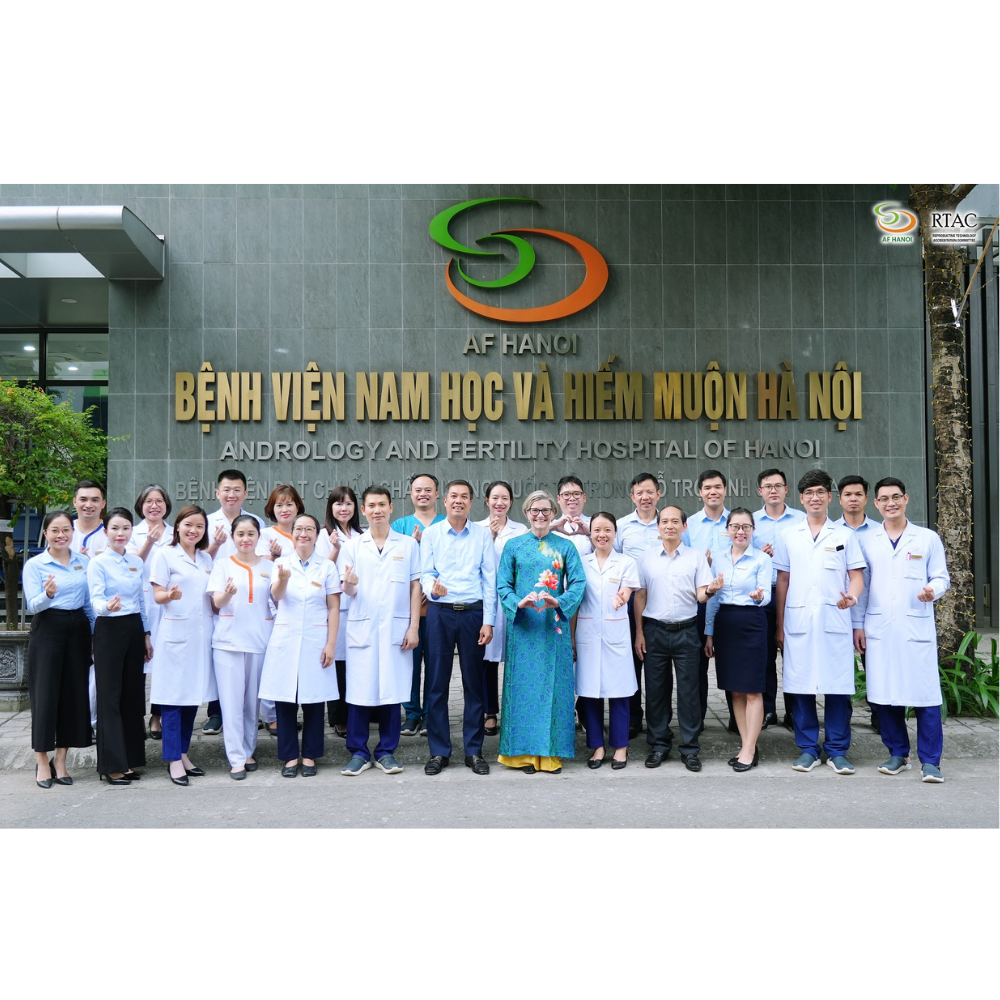
On September 15–16, 2025, the Andrology and Fertility Hospital of Hanoi had the honor of welcoming and working with Ms. Donna Close, a representative of the Reproductive Technology Accreditation Committee (RTAC) under the Fertility...


