



09/10/2023
“Gynecological diseases are very common among women. Almost every woman experiences at least one type of gynecological condition at some point in her life. Common gynecological conditions include vaginitis, cervical ectropion, inflammation of the fallopian tubes and uterine fibroids. Any gynecological condition can potentially affect a woman’s reproductive health. Therefore, whenever women notice unusual changes in vaginal discharge, menstrual irregularities or other abnormal symptoms, they should seek medical attention promptly as these may be signs of a gynecological condition.”
The prevalence of gynecological diseases among women is increasing. However, because many women are not sufficiently informed about these conditions, they often seek medical care relatively late, when symptoms have become more obvious and the disease has already affected their health.
In general, gynecological diseases are conditions affecting the female reproductive system. Some affect the external genital organs and vagina, such as inflammation, vaginal itching, abnormal vaginal discharge and irregular menstruation. Others affect internal reproductive organs, such as pelvic inflammatory disease, oophoritis and salpingitis.
Many women may not fully understand the nature of gynecological diseases, especially when they have limited experience or knowledge regarding reproductive health. Understanding what gynecological diseases are can help women take appropriate preventive measures and seek timely treatment.
Below is some basic information about common gynecological diseases that women should be aware of so that they can take a more proactive approach to protecting their health.
There are many possible causes of gynecological diseases. Common contributing factors include poor genital hygiene, unsafe sexual practices, such as having multiple sexual partners or not using condoms, and unsafe abortion procedures.
When unusual symptoms are detected, particularly changes in the color, consistency, amount or odor of vaginal discharge, women should seek medical evaluation promptly. Without timely treatment, gynecological diseases may negatively affect women’s health, particularly reproductive health.
If an infection persists for a long time, it may spread and lead to complications such as infertility, fallopian tube blockage, miscarriage, preterm birth and postpartum hemorrhage.
Although gynecological inflammatory diseases are very common, women can reduce their risk by following these measures:
When abnormal symptoms occur, women should consult a gynecologist for appropriate evaluation and treatment.
Personal hygiene also plays an important role in maintaining gynecological health. Keep the intimate area clean and dry and avoid products containing harsh cleansing agents. Excessive use of such products may disrupt the natural vaginal environment and reduce beneficial vaginal bacteria, creating favorable conditions for fungi, bacteria and other pathogens to enter the vulva and vagina and cause inflammation.
Women should also change their underwear regularly and avoid excessively tight underwear, which can cause heat, moisture and poor ventilation in the intimate area.
Gynecological diseases are generally easier to treat when detected early. However, they should never be underestimated. If a condition is not treated appropriately and completely, it may lead to serious complications affecting reproductive health, including ectopic pregnancy, infertility and, in some cases, cervical or uterine cancer.

The 88th session of CLB Tìm Con Yêu, themed “Welcoming Your Baby Home”, welcomed hundreds of couples longing for a child. Participants had the opportunity to listen to expert insights from Dr. Nguyen Thanh Trung, Specialist Level...

Two pregnancy losses at 19 weeks due to hydrops fetalis, two unsuccessful embryo transfers and years of living with the fear of genetic disease. For Ms. Nguyen Thi Thuy and Mr. Cao Duc Chung, their journey to parenthood was not simply...

The desire to welcome a little one is a strong motivation for many families to take a proactive approach on their journey to parenthood. But for that dream to have a better chance of becoming a reality, it is important not only to...

At the 15th Annual Scientific Conference of the Vietnam Society for Sexual Medicine, MSc. Dr. Pham Minh Ngoc presented research on the clinical characteristics and management approaches for sexual dysfunction in perimenopausal and...

On the afternoon of July 25, marking the 79th anniversary of War Invalids and Martyrs Day (July 27, 1947 – July 27, 2026), Andrology and Fertility Hospital of Hanoi was honored to join the working delegation of the Party Committee...

Recently, the Andrology and Fertility Hospital of Hanoi (AF HANOI) participated in ASPIRE 2026, one of the most prestigious scientific forums in the Asia-Pacific region in the field of assisted reproduction, held from May 7–10, 2026,...

May 25, 2025 Hello to this loving May — the month of faith, hope and waiting for happiness! Today is such a special and meaningful day, the day Mom and Dad came to the hospital to bring our little embryo baby home to the family....
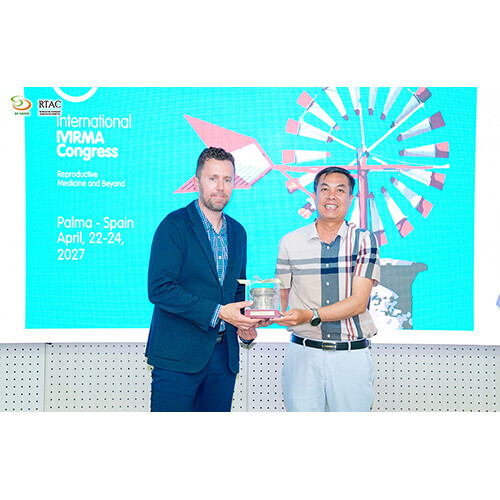
On May 6, 2026, the Andrology and Fertility Hospital of Hanoi, in collaboration with Merck Healthcare Vietnam, organized a professional exchange program on assisted reproduction with the participation of Associate Professor Marcos...


