



26/10/2023
After IUI or embryo transfer, this is certainly a period when every mother feels a little anxious, yet full of hope and anticipation, eagerly waiting each day for the wonderful news that her baby has arrived.
Mothers-to-be should take note of the following 3 important pregnancy check-up milestones to ensure appropriate and adequate prenatal care, supporting a healthy pregnancy and a safe delivery:
Blood pressure and weight should be measured at every prenatal visit.
Understanding the recommended prenatal check-up milestones after IUI or embryo transfer is extremely important. Following the appropriate schedule and completing all recommended examinations allow doctors to promptly identify and manage any complications that may arise, helping ensure the safety of both mother and baby and supporting a safe and healthy delivery.

The 88th session of CLB Tìm Con Yêu, themed “Welcoming Your Baby Home”, welcomed hundreds of couples longing for a child. Participants had the opportunity to listen to expert insights from Dr. Nguyen Thanh Trung, Specialist Level...
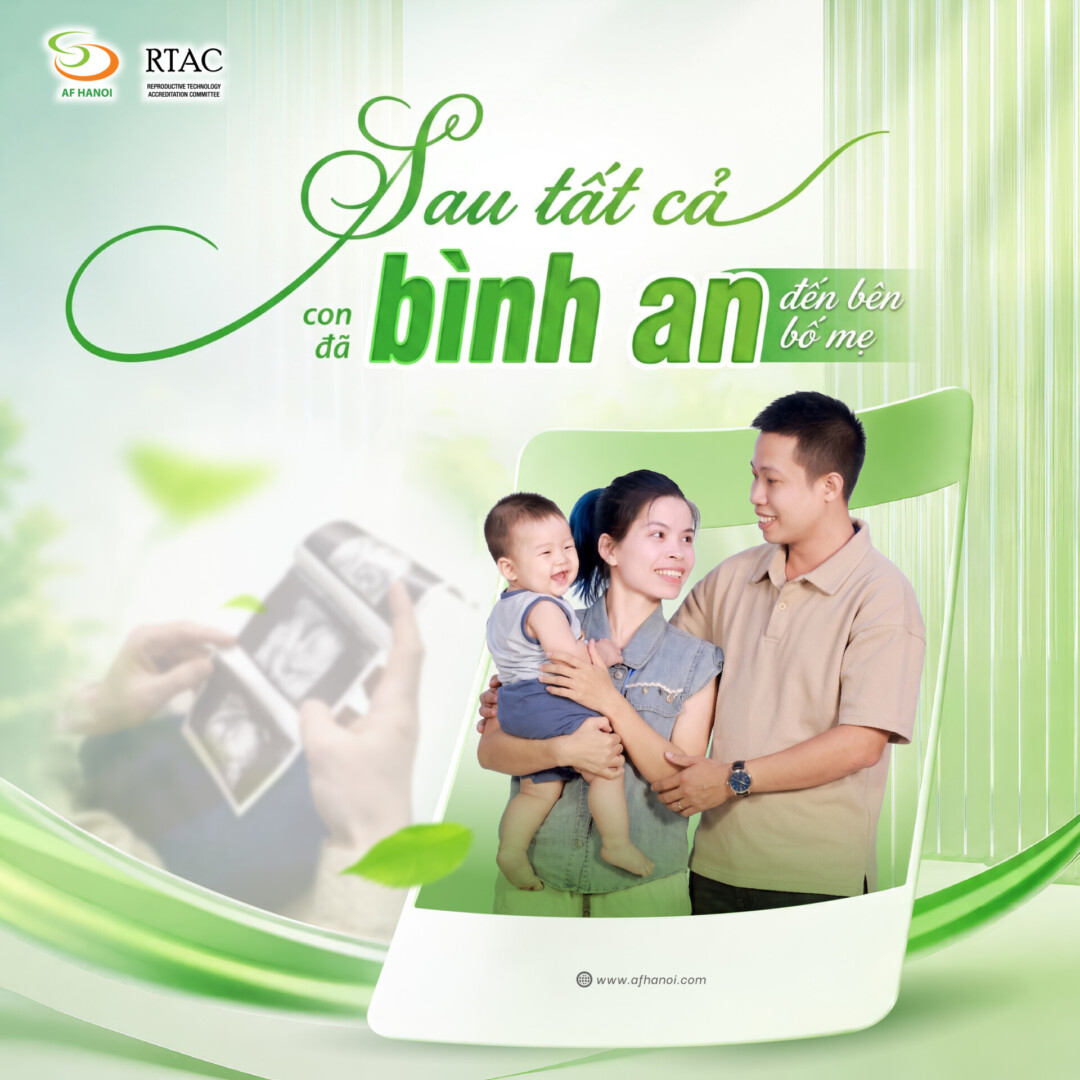
Two pregnancy losses at 19 weeks due to hydrops fetalis, two unsuccessful embryo transfers and years of living with the fear of genetic disease. For Ms. Nguyen Thi Thuy and Mr. Cao Duc Chung, their journey to parenthood was not simply...

The desire to welcome a little one is a strong motivation for many families to take a proactive approach on their journey to parenthood. But for that dream to have a better chance of becoming a reality, it is important not only to...

At the 15th Annual Scientific Conference of the Vietnam Society for Sexual Medicine, MSc. Dr. Pham Minh Ngoc presented research on the clinical characteristics and management approaches for sexual dysfunction in perimenopausal and...
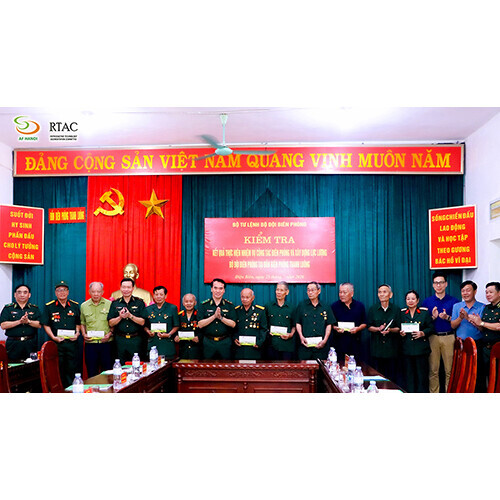
On the afternoon of July 25, marking the 79th anniversary of War Invalids and Martyrs Day (July 27, 1947 – July 27, 2026), Andrology and Fertility Hospital of Hanoi was honored to join the working delegation of the Party Committee...

Recently, the Andrology and Fertility Hospital of Hanoi (AF HANOI) participated in ASPIRE 2026, one of the most prestigious scientific forums in the Asia-Pacific region in the field of assisted reproduction, held from May 7–10, 2026,...
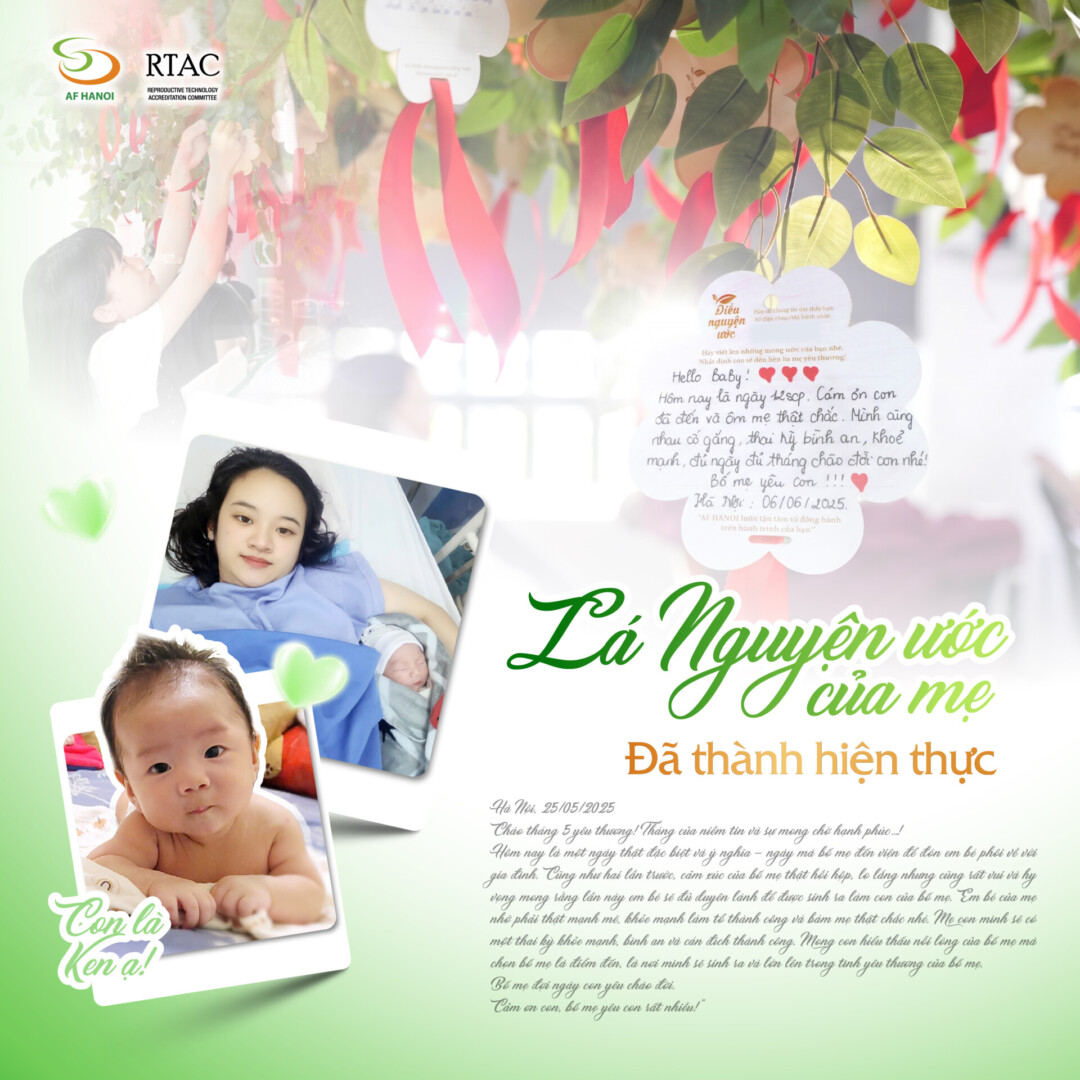
May 25, 2025 Hello to this loving May — the month of faith, hope and waiting for happiness! Today is such a special and meaningful day, the day Mom and Dad came to the hospital to bring our little embryo baby home to the family....
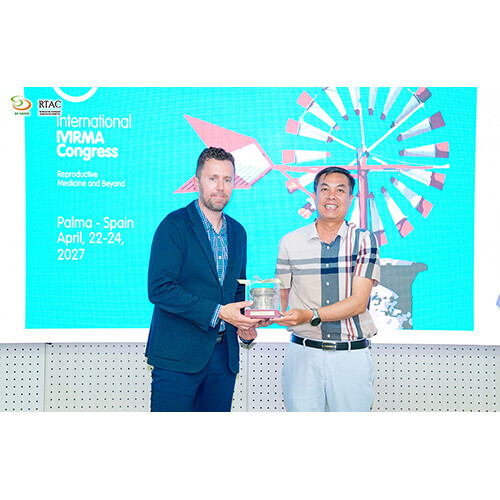
On May 6, 2026, the Andrology and Fertility Hospital of Hanoi, in collaboration with Merck Healthcare Vietnam, organized a professional exchange program on assisted reproduction with the participation of Associate Professor Marcos...


